How to Choose the Right Security Camera for Your Property
Understanding Security Camera Selection for Your Property
Protecting your property—whether it’s your home, business, or a venue you manage—begins with making informed decisions about surveillance technology. The right security camera not only deters potential threats but also gives you peace of mind, knowing that your assets, loved ones, or guests are safe. With the rapid evolution of security technology, choosing the right security camera for your property requires careful consideration of your unique needs, environment, and long-term security goals.
As you explore security camera selection, you’ll discover that options abound, each offering distinct features designed for home security or business surveillance. To help you navigate this landscape, let’s break down the essential factors that will guide you to the most effective surveillance solution for your situation.
Assessing Your Security Needs
Your first step in security camera selection is to evaluate the specific risks and requirements of your property. Consider the following questions:
- Are you securing a residential home, a commercial business, or a special event venue?
- What are the most vulnerable areas—entryways, parking lots, storage rooms, or perimeter fences?
- Do you need to monitor indoor spaces, outdoor environments, or both?
- Will you require real-time monitoring, or is recorded footage sufficient?
Understanding your unique environment helps you identify the features that matter most, whether you’re prioritizing home security or business surveillance. For example, residential properties may need discreet cameras that blend with the décor, while commercial sites often benefit from visible deterrents and advanced analytics.
Key Features to Consider for Security Camera Selection
Modern security cameras come with a wide array of features. Knowing which ones align with your needs ensures you invest in a system that delivers reliable protection and ease of use.
- Resolution and Image Quality: High-definition cameras (1080p or higher) provide clearer images, making it easier to identify faces, license plates, and other crucial details.
- Night Vision: Infrared or low-light cameras are essential for capturing clear footage in darkness or poorly lit areas.
- Field of View: Wide-angle lenses cover more ground, reducing the number of cameras needed for comprehensive surveillance.
- Motion Detection: Smart motion sensors trigger recordings or alerts only when activity is detected, saving storage space and making it easier to review footage.
- Weather Resistance: For outdoor security, ensure cameras are rated for rain, heat, humidity, and dust.
- Remote Access: Mobile apps and web platforms let you view live feeds or recorded videos from anywhere, providing flexibility and peace of mind.
- Audio Capabilities: Two-way audio allows communication with visitors or intruders, while microphones add context to recorded events.
As you compare options, prioritize features that address your specific concerns. For example, if your business operates after hours, robust night vision and remote access may be non-negotiable. For homeowners, motion detection and mobile notifications can provide instant updates if unusual activity occurs.
Choosing Between Wired and Wireless Security Cameras
The choice between wired and wireless security cameras is a fundamental decision in your security camera selection process. Each option offers distinct advantages and considerations:
- Wired Cameras: These systems connect directly to power and data cables, providing a stable connection and consistent video quality. They are ideal for permanent installations and larger properties where reliability is paramount.
- Wireless Cameras: Wireless models transmit data via Wi-Fi, offering flexibility in placement and easier installation. They are well-suited for homes, rental properties, or areas where running cables is impractical.
While wireless cameras are convenient, they may be subject to signal interference or require regular battery changes. Wired systems, on the other hand, demand more upfront installation effort but tend to require less ongoing maintenance. Consider your property’s layout, access to power sources, and your willingness to manage wiring or batteries as you decide.
Integrating Security Cameras with Other Systems
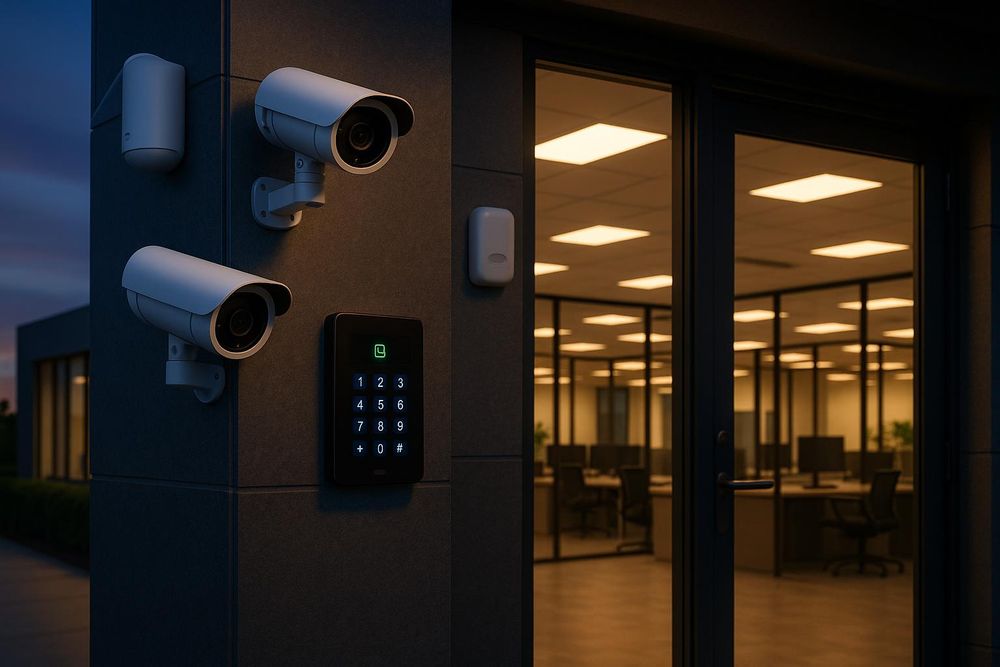
Modern security solutions often go beyond standalone cameras. Integrating your surveillance system with other security measures, such as access control and alarm systems, creates a seamless and comprehensive approach to property protection.
- For home security, linking cameras with smart locks or alarm panels enables automated responses, such as locking doors when motion is detected or triggering lights during suspicious activity.
- In business surveillance, integration with access control allows you to monitor who enters sensitive areas and review footage tied to specific access events. This is especially valuable for retail, offices, and warehouses where internal threats can be as significant as external ones.
Look for cameras and systems that support open standards or offer compatibility with your existing security infrastructure. This ensures you can expand or upgrade your protection without replacing every component.
Location and Placement Strategies for Maximum Coverage
Strategic placement is crucial for effective surveillance. Even the most advanced camera will underperform if positioned incorrectly. As you plan your security camera selection, consider these best practices:
- Install cameras at entry and exit points, including front and back doors, garage entrances, and loading docks.
- Cover high-traffic areas such as hallways, lobbies, or reception desks for business surveillance, and living rooms or driveways for home security.
- Position outdoor cameras to monitor perimeters, parking lots, gates, and fences. Ensure they are mounted high enough to deter tampering but angled to capture faces and vehicle details.
- Avoid obstructions like trees, signage, or architectural features that could block the camera’s view.
- For event venues or temporary setups, use portable cameras to adjust coverage as needed for different layouts and crowd sizes.
Mapping your property and identifying blind spots helps you determine the optimal number and location of cameras. This proactive approach maximizes coverage while minimizing unnecessary overlap or gaps in surveillance.
Evaluating Storage and Data Management Options
Effective security isn’t just about capturing footage—it’s about being able to access and manage it when needed. The right storage solution ensures that your recordings are secure, organized, and readily available for review.
- Local Storage: Many cameras use SD cards or dedicated DVR/NVR systems to store footage onsite. This option provides immediate access but may be vulnerable to theft or damage.
- Cloud Storage: Cloud-based solutions automatically upload video to secure servers, protecting data from onsite risks and enabling remote access. This is especially beneficial for business surveillance where long-term retention and offsite backups are priorities.
- Hybrid Systems: Combining local and cloud storage offers redundancy, ensuring footage is preserved even if one method fails.
Consider the amount of footage you’ll need to retain, your privacy preferences, and any industry regulations that may affect data management. For example, businesses in certain sectors may be required to store video for a specified period or follow strict access controls.
Understanding Privacy and Legal Considerations
While security cameras are vital for protection, it’s important to respect privacy laws and ethical guidelines. Before installing surveillance equipment, familiarize yourself with local regulations governing video and audio recording, especially in shared spaces or areas where individuals may have a reasonable expectation of privacy.
- Clearly inform employees, tenants, or guests about the presence of surveillance equipment.
- Avoid placing cameras in sensitive locations such as restrooms, locker rooms, or private offices.
- For business surveillance, post signage in public areas to notify visitors of active monitoring.
Compliance not only protects you legally but also builds trust with staff, clients, and residents who rely on your commitment to both safety and privacy.
Comparing Security Camera Brands and Technologies
As you narrow down your security camera selection, it’s important to compare leading brands and the latest surveillance technologies available for home security and business surveillance. Well-established manufacturers often provide more reliable products, better warranties, and ongoing software updates that enhance long-term performance. Look for brands recognized for innovation, customer support, and integration capabilities with other security systems.
Consider whether you need cameras with artificial intelligence (AI) features, such as facial recognition, vehicle detection, or advanced motion analytics. These technologies can significantly improve incident detection and response times. For business surveillance, AI-powered cameras help reduce false alarms and provide actionable insights, such as tracking customer traffic or monitoring restricted zones. For home security, smart cameras with AI can distinguish between people, pets, and vehicles, minimizing unnecessary alerts.
- Evaluate product reviews and user testimonials to gauge real-world performance.
- Check for compatibility with your preferred monitoring platforms or smart devices.
- Assess ongoing costs, such as subscription fees for cloud storage or advanced analytics.
Balancing innovative features with proven reliability ensures your investment in security technology delivers consistent results for years to come.
Understanding Professional Installation vs. DIY Security Camera Setups
Choosing between professional installation and a do-it-yourself (DIY) approach is another key decision in your security camera selection journey. Each option carries distinct benefits and considerations, depending on your property type and personal preferences.
- Professional Installation: Certified technicians assess your property, recommend optimal camera placement, and handle wiring or network configurations. This approach is ideal for complex business surveillance projects, large homes, or properties requiring integrated security systems. You benefit from expert advice, clean installations, and ongoing technical support.
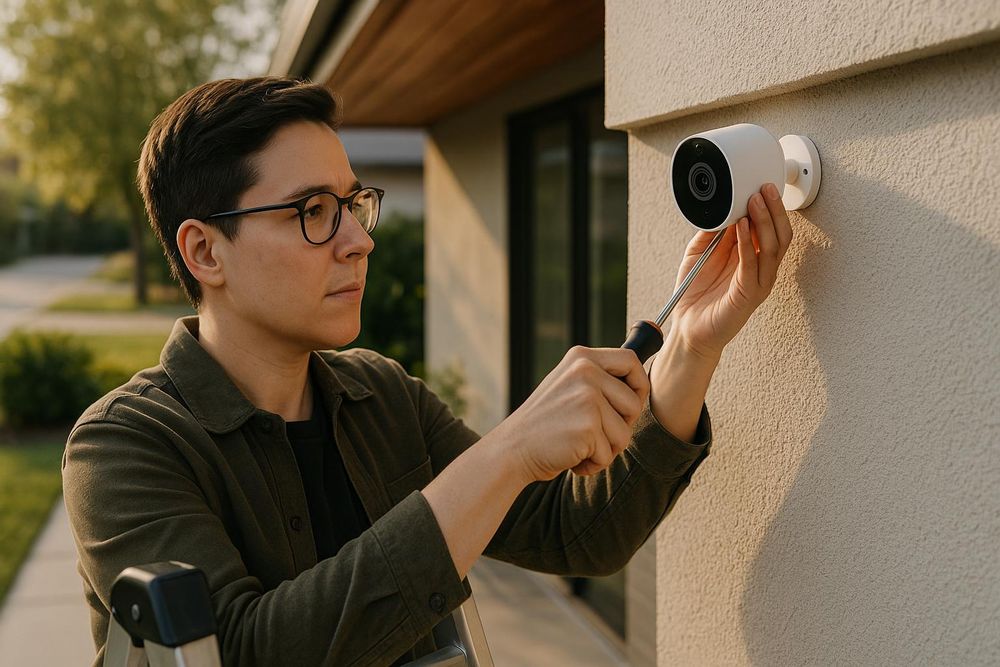
- DIY Installation: Many modern security cameras are designed for straightforward self-installation, especially wireless models. DIY options are cost-effective and give you control over camera placement and setup. They’re well-suited for small homes, apartments, or temporary surveillance needs.
Consider your comfort level with technology, the complexity of your property, and the value of professional guidance. For business owners or those seeking seamless integration with alarms and access control, professional installation may offer added peace of mind and ensure your security system operates at peak efficiency.
Maintenance and Ongoing Support for Security Cameras
Long-term reliability is a crucial aspect of any security camera system. Regular maintenance ensures your cameras continue to provide clear footage and uninterrupted protection for both home security and business surveillance applications.
- Periodically clean camera lenses to prevent dust, debris, or water spots from obscuring images.
- Check for firmware updates from the manufacturer to address security vulnerabilities and improve performance.
- Test camera angles and motion detection zones to confirm optimal coverage as your environment changes.
- Inspect wiring, power supplies, and network connections for signs of wear or damage, especially in outdoor installations.
- Review storage capacity and retention settings to ensure you’re capturing and saving the footage you need.
Many reputable security providers offer maintenance plans, remote diagnostics, and rapid support if technical issues arise. For businesses, establishing a maintenance schedule and assigning responsibilities can help prevent lapses in surveillance and ensure compliance with industry regulations.
Budgeting for Security Camera Systems
Effective security doesn’t always mean the most expensive solution, but it does require thoughtful budgeting. As you plan your security camera selection, consider both initial costs and ongoing expenses to ensure your investment aligns with your goals.
- Equipment Costs: Camera prices vary based on resolution, features, and build quality. Factor in the number of cameras needed for full coverage and any additional components, such as network video recorders or mounting hardware.
- Installation Fees: Professional installation may increase upfront costs but can save time and reduce the risk of errors.
- Subscription Services: Cloud storage, remote monitoring, and advanced analytics may require monthly or annual fees.
- Maintenance and Upgrades: Plan for periodic maintenance, replacement parts, or future upgrades as technology evolves.
Prioritize spending on features that directly address your specific security concerns. For example, investing in weather-resistant cameras for outdoor areas or high-resolution models for critical entry points can yield significant returns in terms of safety and peace of mind.
How Security Camera Selection Impacts Insurance and Liability
Installing a robust security camera system can positively influence your insurance premiums and liability exposure. Many insurance providers offer discounts for properties equipped with monitored surveillance, recognizing the reduced risk of theft, vandalism, or fraudulent claims.
- Documenting incidents with high-quality footage supports insurance claims and expedites the resolution process.
- Visible cameras act as strong deterrents against criminal activity, lowering the likelihood of losses.
- For businesses, comprehensive surveillance can help demonstrate compliance with safety protocols and reduce liability in the event of workplace accidents or disputes.
Contact your insurance agent to discuss available discounts and any specific requirements for camera placement, resolution, or retention periods. Keeping detailed records of your system’s specifications and maintenance can further support your claims and demonstrate your commitment to proactive risk management.
Leveraging Security Cameras for Operational Insights
Beyond traditional protection, modern security cameras can deliver valuable operational insights for both homeowners and business owners. By analyzing recorded footage and utilizing built-in analytics, you gain a deeper understanding of activity patterns, occupancy trends, and potential inefficiencies.
- Retailers can monitor customer flow, identify peak hours, and optimize staffing or store layouts.
- Office managers use surveillance to assess workspace utilization and improve safety protocols.
- Homeowners review footage to monitor deliveries, track maintenance visits, or observe wildlife activity.
- Event organizers rely on temporary cameras to evaluate crowd movement and refine security strategies for future gatherings.
Integrating your security system with data analytics platforms or smart home devices enhances your ability to make informed decisions, streamline operations, and create a safer environment for everyone on your property.
Staying Ahead of Security Camera Trends and Innovations
The landscape of home security and business surveillance is constantly evolving. Staying informed about emerging trends ensures your property remains protected against new threats and takes advantage of the latest advancements.
- AI-Powered Analytics: Cameras with deep learning capabilities offer smarter motion detection, object recognition, and real-time alerts.
- Cloud-Connected Devices: Seamless integration with cloud platforms enables remote access, automatic updates, and scalable storage.
- Cybersecurity Enhancements: As cameras become more connected, robust encryption and network security measures are essential to safeguard your footage from unauthorized access.
- Eco-Friendly Solutions: Solar-powered cameras and energy-efficient designs minimize environmental impact and reduce operational costs.
- Integration with Smart Ecosystems: Compatibility with voice assistants, lighting, and automation systems creates a unified approach to security and convenience.
Regularly review your system’s capabilities and explore upgrade options as new features become available. Partnering with a security provider that prioritizes innovation and customer education helps you adapt to changing needs and maintain a proactive security posture.
Addressing Common Security Camera Challenges
Even the most advanced security camera systems can face challenges. Being aware of potential pitfalls allows you to address issues quickly and maintain reliable protection for your property.
- Network Connectivity: Wireless cameras may experience signal drops in areas with poor Wi-Fi coverage. Consider adding range extenders or wired connections where feasible.
- False Alarms: Environmental factors, such as moving branches or passing vehicles, can trigger unnecessary alerts. Adjust motion sensitivity settings or use cameras with AI-based filtering.
- Power Outages: Ensure critical cameras have backup power sources, such as uninterruptible power supplies (UPS) or battery packs, to maintain surveillance during outages.
- Vandalism and Tampering: Use vandal-resistant housings, secure mounting hardware, and strategic placement to deter interference.
- Privacy Concerns: Regularly review camera placement and access controls to balance security with privacy, especially in shared or residential environments.
Proactively addressing these challenges ensures your security camera system remains dependable and effective, regardless of changing circumstances or evolving threats.
Maximizing Value from Your Security Camera Investment
Extracting the most value from your security camera investment involves more than just installing the latest technology. Ongoing education, regular assessments, and engagement with trusted security professionals help you adapt to new risks and take full advantage of your system’s capabilities.
- Stay informed about software updates and new features released by your camera manufacturer.
- Participate in training sessions or webinars to learn best practices for surveillance management and data protection.
- Schedule periodic reviews with security consultants to evaluate coverage, identify gaps, and recommend enhancements.
- Encourage feedback from family members, employees, or tenants to ensure your system meets everyone’s needs.
By taking an active role in managing your home security or business surveillance system, you foster a culture of safety, awareness, and continuous improvement across your property.
Expert Security Camera Selection Guidance for Every Property
Making informed choices about your security camera system is more than a technical decision—it’s about protecting what matters most to you. As you continue to explore the best options for home security or business surveillance, it’s essential to have a trusted partner who understands the nuances of your environment, local regulations, and the evolving landscape of security technology.
Whether you’re a homeowner, a business owner, or responsible for event safety, you deserve a security solution that delivers reliability, advanced features, and ongoing support. The right expertise ensures you benefit from seamless integration, future-ready upgrades, and a system that works around your unique needs.
Personalized Security Camera Consultations
Professional guidance can make a significant difference in the effectiveness of your security camera selection. An expert consultation helps you:
- Assess your property’s specific risks and vulnerabilities
- Identify the most strategic camera placements for maximum coverage
- Choose between wired and wireless systems based on your infrastructure and usage patterns
- Integrate cameras with existing alarm, access control, or monitoring solutions
- Navigate privacy laws and compliance requirements in your area
By working with security professionals who are familiar with the latest advancements in surveillance, you gain confidence that your system will be robust, scalable, and future-proof.
Comprehensive Support for Home Security and Business Surveillance
Ongoing support is crucial for maintaining the integrity and reliability of your security system. You benefit from:
- Routine maintenance and health checks to ensure cameras are operating optimally
- Rapid troubleshooting and technical assistance whenever issues arise
- Regular firmware and software updates to protect against emerging cyber threats
- Training for you and your team on using monitoring platforms and responding to alerts
- Scalable solutions that grow with your property or business needs
With proactive support, you minimize downtime, reduce the risk of missed incidents, and maintain a high standard of safety for your property.
Advanced Security Camera Features for Modern Protection
Today’s security cameras offer a suite of features that go beyond simple recording. As you evaluate your options, consider how advanced technology can enhance your security posture:
- AI-powered analytics to distinguish between people, vehicles, and animals, reducing false alarms
- Smart notifications that alert you instantly to suspicious activity, even when you’re offsite
- Seamless remote access via mobile apps, allowing you to check in on your property from anywhere
- Integration with smart home or business automation systems for a unified security approach
- Scalable cloud storage options to safeguard evidence and support compliance requirements
These features empower you to respond quickly to potential threats, streamline your daily operations, and keep your property secure 24/7.
Security Camera Selection: Local Expertise Matters
Choosing a security partner with deep roots in your region ensures you receive solutions that are not only technologically advanced but also suited to local conditions and community expectations. A provider who understands the security challenges faced by businesses and homeowners in Hillsborough, Pinellas, Polk, Pasco, Sarasota, Alachua, Marion, Manatee, Orange, and Osceola counties delivers unmatched value through:
- Knowledge of crime trends and regulatory requirements in your area
- Prompt on-site support and rapid response to service requests
- Experience with a wide range of property types, from residential homes to commercial complexes and event venues
- Personalized recommendations based on years of hands-on experience in your community
Local expertise translates into systems designed to withstand regional weather, address neighborhood-specific risks, and integrate seamlessly with other safety measures already in place.
Seamless Integration with Access Control and Alarm Systems
For comprehensive protection, your security cameras should work in harmony with other critical systems. Integrating surveillance with access control and alarms allows you to:
- Automatically record video when doors are accessed or alarms are triggered
- Monitor who enters and exits your property in real-time
- Receive consolidated alerts for faster, more effective incident response
- Meet insurance requirements for monitored security and evidence retention
This holistic approach ensures all aspects of your security infrastructure reinforce each other, providing a robust defense against both internal and external threats.
Empowering Your Team with Security Training and Best Practices
Even the most sophisticated security camera system is only as effective as the people who use it. Comprehensive training equips you and your staff to:
- Recognize and respond to suspicious activity with confidence
- Understand system features and optimize monitoring settings
- Maintain privacy and uphold ethical standards in surveillance
- Comply with local laws and industry regulations
Ongoing education ensures your security measures evolve alongside new threats and technology, creating a culture of vigilance and preparedness across your organization or household.
Proactive Security Camera Maintenance for Long-Term Reliability
Regular system checks and preventive maintenance are key to ensuring uninterrupted protection. You can rely on professional support to:
- Inspect and clean camera lenses for clear image quality
- Test connections and backup power supplies
- Update software to patch vulnerabilities and add new features
- Review camera placement as your property or risk profile changes
Consistent upkeep not only extends the lifespan of your equipment but also ensures you’re always prepared for unexpected incidents.
Strategic Security Camera Selection for Growing Businesses and Homes
As your needs evolve, your security system should adapt seamlessly. A scalable solution allows you to:
- Add cameras or sensors as your property expands or new threats emerge
- Upgrade to higher-resolution cameras or advanced analytics without a complete overhaul
- Integrate new technologies, such as facial recognition or license plate readers, as they become available
- Maintain a consistent user experience across all devices and locations
Planning for growth ensures your investment continues to deliver value and protection as your home, business, or event operation develops.
Why Professional Security Camera Selection Delivers Peace of Mind
Entrusting your security camera selection to experienced professionals means you benefit from:
- Personalized consultations that address your unique security challenges
- Access to the latest surveillance technologies and best-in-class products
- Expert installation and seamless integration with other security systems
- Comprehensive training and ongoing support for you and your team
- Prompt, local service from a provider committed to your community’s safety
With expert guidance, you can focus on what matters most—confident that your property, people, and assets are protected by a system designed for your specific environment.
Connect with a Trusted Security Partner
If you’re ready to enhance your home security or business surveillance, you deserve a partner who brings expertise, reliability, and a commitment to your safety. Secure2ware, led by Keith Ware, has been serving the security needs of residents and businesses across Hillsborough, Pinellas, Polk, Pasco, Sarasota, Alachua, Marion, Manatee, Orange, and Osceola counties since 2005. With a focus on state-of-the-art technology, personalized service, and ongoing support, you gain a comprehensive security solution designed to meet your needs today and into the future.
For a security camera consultation or to discuss how to protect your property with advanced surveillance solutions, reach out directly via email at keith@secure2ware.com. Your peace of mind starts with a conversation—connect today to discover how expert guidance and innovative technology can safeguard what matters most to you.